Structured botanical study through tactile learning units.
Step-by-step educational modules designed for homeschooling curricula, science classrooms, and fruit enthusiasts. Explore anatomical cross-sections, pigment science, and harvest zones.
Examine cellular protective structures across citrus flavedo, drupe skin, and trichome fuzz on botanical specimens.
Exocarp Morphology
Structural cellular properties and surface tissues.
Cellular Wax & Pectins
Microscope cross-sections and anatomical classification.
Cuticular Thickness (μm)
Standardized observational baseline for student lab sheets.
Epidermal Cross-Section Analysis
Step-by-step practical lesson for classroom or home kitchen.
Need customized lesson plans for your school or study pod?
Download printable student observation worksheets, specimen flashcards, and grading keys.
Visual Specimen Micro-Analysis Lab
Examine high-resolution botanical specimens. Compare outer surface contours, internal cellular chambers, and morphology criteria for scientific identification in classrooms and homeschool curricula.
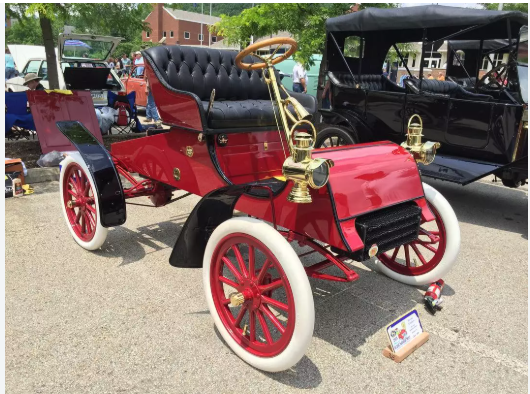
Globose sphere with indented calyx base
Glandular flavedo with visible essential oil reservoirs
Segmented carpels filled with pressurized juice vesicles
Comparative Criteria Grid
Quick reference guide across three principal botanical structures.
Citrus sinensis
Fragaria vesca

Malus domestica
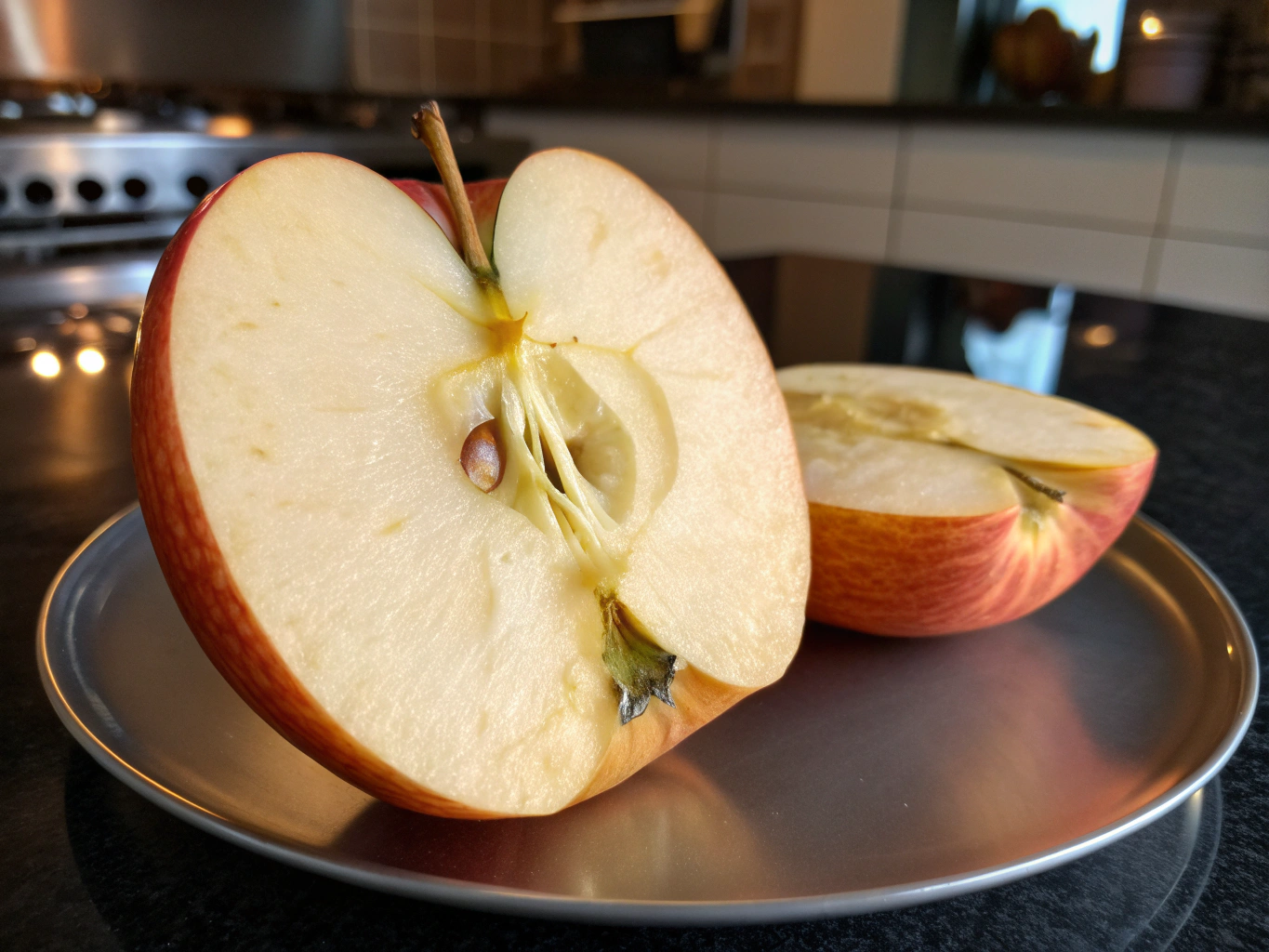
How the Visual Method Unlocks Succulent Plant Science
Move step-by-step from external rind inspection to microscopic cross-sections. Our visual progression turns everyday fruit into an interactive biology laboratory.
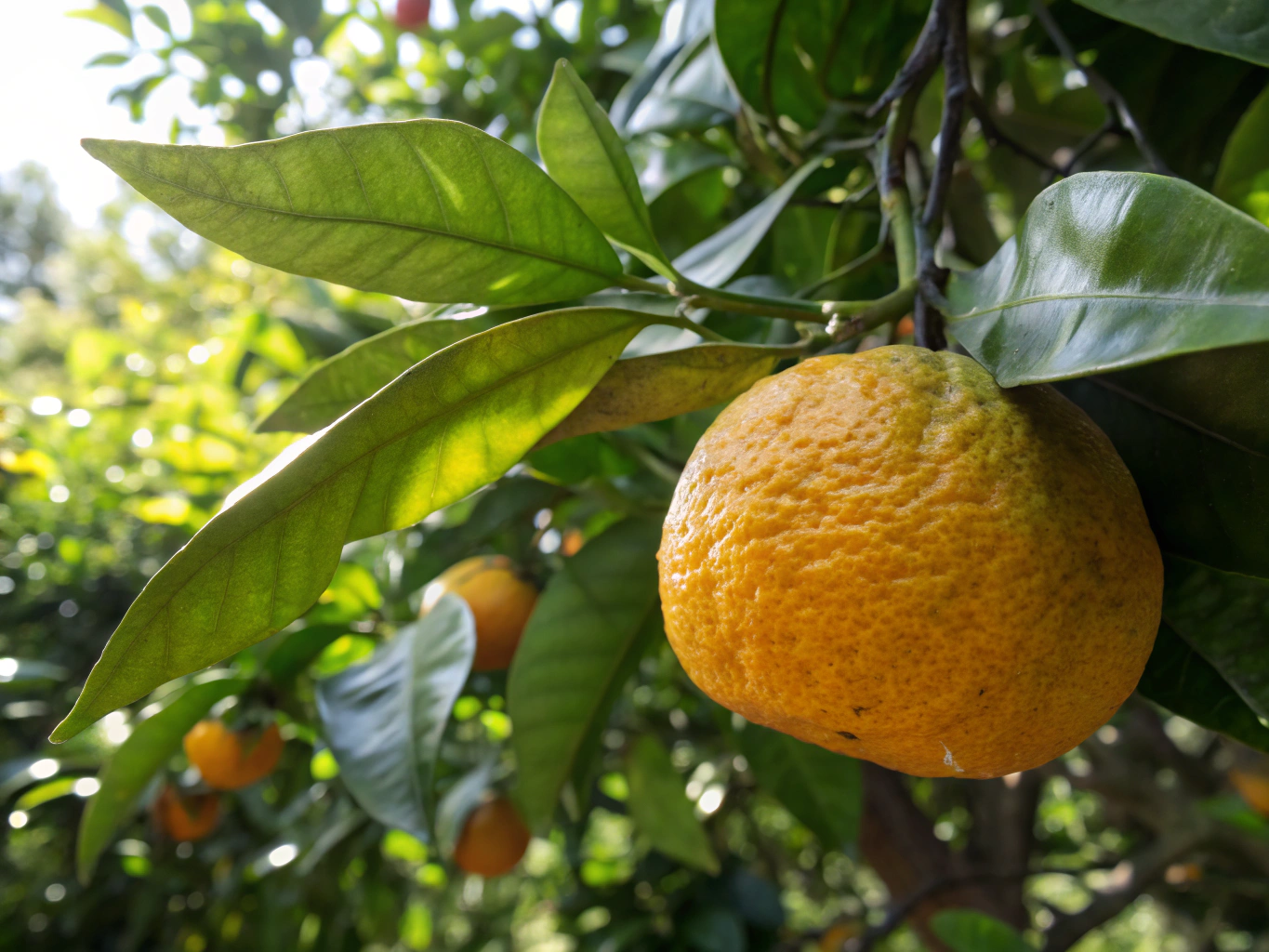
Citrus reticulata (Mandarin)
Obs. 01Observe the glandular exocarp (flavedo) containing essential oils that protect the fruit from microbial pests.
Classroom Practice Activity
Compare rind density and oil pore concentration between early harvest and ripe specimens.
Ready to test your observational botany skills?
Practice identifying fruit families, vascular patterns, and nutrition markers through our full interactive lesson modules.